What Are The Major Similarities Between Asian Cuisines?
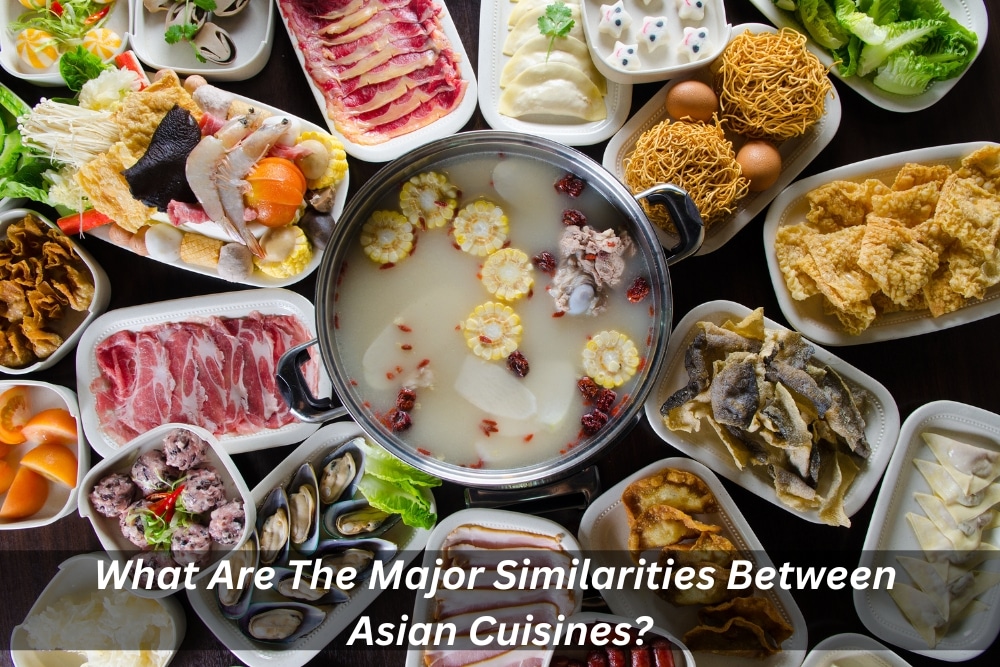
If you’re a fan of Asian cuisines, there’s a good chance you’ve noticed similarities between dishes from different countries. But what are the major markers of each cuisine that tie them all together? You may be surprised at how much all of them have in common, despite their unique flavours and ingredients!
Asian cuisines encompass foods from a wide variety of cultures. From Japan to India to Turkey, they share many similar traits including spices, textures, cooking methods and flavour combinations. Despite these shared aspects, each cuisine has its own individual characteristics that make it stand out.
What are the major similarities between Asian cuisines? In this article, we will explore the basic components of each type of cuisine and discuss how they come together to form a delicious synthesis. From ingredients and techniques to common techniques like stir-frying and grilling to flavour combinations like sweet-spicy or salty-sour let’s look at what binds different Asian cuisines together is an interesting culinary experience.
One of the most common ingredients found in many Asian cuisines is rice. Rice is a staple ingredient in many dishes, from fried rice to sushi and even desserts. Rice noodles are also popular, especially in Southeast Asian countries like Thailand and Vietnam.
Fish sauce is another common element that can be found in many Asian dishes, particularly those from East Asia. This salty condiment adds a unique flavour to dishes like stir-fries and noodle soups.
Ginger, garlic, soy sauce and sesame oil are also popular ingredients used in many Asian cuisines. These flavours can be found in dishes from China, Japan, India and other countries. They add a depth of flavour to dishes that can’t be achieved with just one ingredient alone.
Coconut milk is another common ingredient found in many Southeast Asian cuisine. This creamy liquid adds a unique sweetness to curries and other dishes.
Finally, regional cuisines often have their own unique flavours and textures that make them stand out from the rest. For example, Middle Eastern cuisine is known for its use of spices like cumin, coriander, and turmeric while East Asian cuisine is known for its use of ginger, garlic and sesame oil.
In conclusion, Asian cuisines have many similarities that make them unique and delicious. From ingredients like rice, fish sauce and coconut milk to cooking techniques like stir-frying and grilling to flavour combinations like sweet-spicy or salty-sour, there are many common elements that tie all of these cuisines together. Whether you’re a fan of Chinese, Japanese, Indian or any other type of Asian cuisine, you can be sure that you’ll find something delicious and unique to enjoy.
Which Asian countries have the most similar cuisine styles?
Asian cuisines vary greatly from country to country, but there are some countries that have more similarities in their cuisine than others. East Asian countries like China, Japan and Korea share many common ingredients and cooking techniques, such as stir-frying and grilling. These countries also use similar flavour combinations like sweet-spicy or salty-sour.
Southeast Asian countries like Thailand, Vietnam and Indonesia also share many common ingredients and cooking techniques, such as the use of coconut milk and fish sauce. Indian cuisine is also similar to other Asian foods in its use of spices like cumin, coriander and turmeric.
How do the cooking techniques of Asian cuisines differ?
The cooking techniques of Asian cuisines vary greatly from country to country. In East Asia, stir-frying and grilling are popular methods of cooking, while in Southeast Asia steaming and boiling are more common. In India, curries are often cooked with a combination of spices and herbs.
Chinese cuisine is known for its use of wok-cooking, which involves quickly frying ingredients in a hot wok. Japanese cuisine is known for its use of sushi and tempura, while Korean cuisine is known for its use of barbecuing.
How has spice use changed over time in Asian cuisines?
The use of spices in Asian cuisines has changed over time. In the past, spices were used sparingly and mainly for flavour enhancement. However, as trade routes opened up and new ingredients became available, spices began to be used more liberally in many dishes.
Today, spices are an integral part of many Asian cuisines and are used to create unique flavours and textures. In India, for example, spices like cumin, coriander and turmeric are used to create flavorful curries.
In Southeast Asia, fish sauce is often used to add a salty flavour to dishes. In East Asia, ginger, garlic and sesame oil are commonly used to create savoury dishes.
Are there any cooking techniques or tools that are shared by the many different cuisines?
Yes, there are several cooking techniques and tools that are shared by the many different Asian cuisines. Stir-frying is a popular cooking technique used in East Asia, Southeast Asia and India. This technique involves quickly frying ingredients in a hot wok or pan. Grilling is also a common cooking method used in East Asia, Southeast Asia and India.
This technique involves cooking food over an open flame or hot coals. Rice noodles are a staple ingredient in many Asian cuisines, and are used to create dishes like pad Thai (history of Pad Thai can be found here) and lo mein. Finally, the use of chopsticks is also shared by many Asian cuisines, as it is a convenient way to eat food without utensils.
How have Asian cuisines evolved over time?
Asian cuisines have evolved over time as new ingredients and cooking techniques have become available. In the past, Asian cuisines were heavily reliant on local ingredients and traditional cooking methods. However, as trade routes opened up and new ingredients became available, these cuisines began to incorporate more diverse flavours and textures.
Today, many Asian cuisines are a mix of regional influences, with dishes that combine flavours and textures from different countries. For example, Chinese food is often influenced by Japanese and Korean cuisine, while Indian food is often influenced by Middle East cuisine. Are you now interested in learning more about Asian cuisines? We have several Asian recipes that you might want to try. And when you need ingredients for these delectable Asian recipes, you can get famous Asian brands here.